

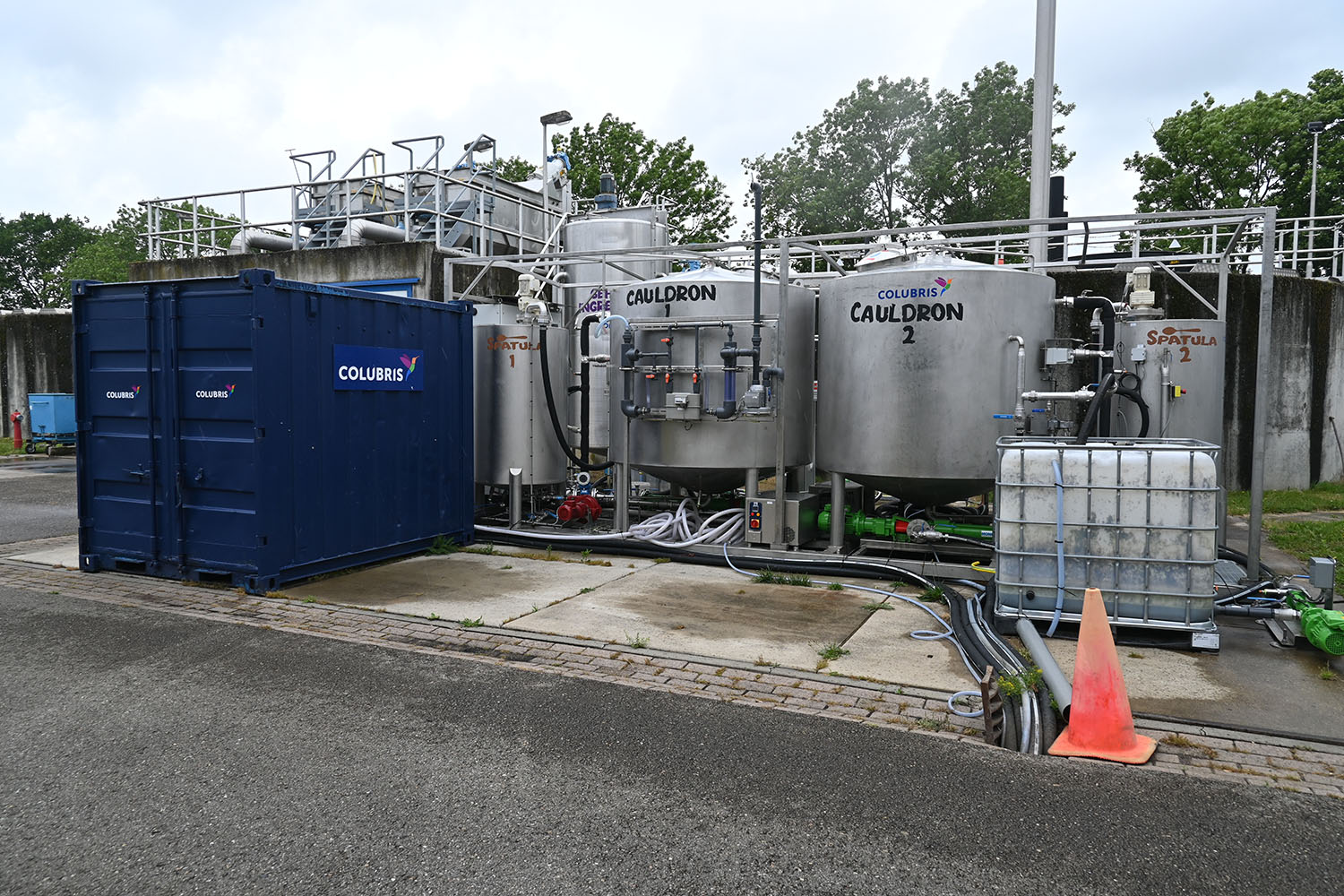
What if sewage sludge could form the basis for sustainable bioplastics? That is the ambition behind PHA2USE, an innovative project in which Brabantse Delta Local Water Authority and Colubris, among others, are working together to develop new ways of recovering valuable resources from wastewater streams.
From sludge to valuable resources
“Everything people flush or discharge into the sewer system eventually ends up in the sludge,” explains Bart Joosse, Senior Water Cycle Technologist at Brabantse Delta Local Water Authority. “Within the PHA2USE project, we convert this sludge into fatty acids. These fatty acids can then be used to produce PHA: biodegradable polymers that can be used to make bioplastics.”
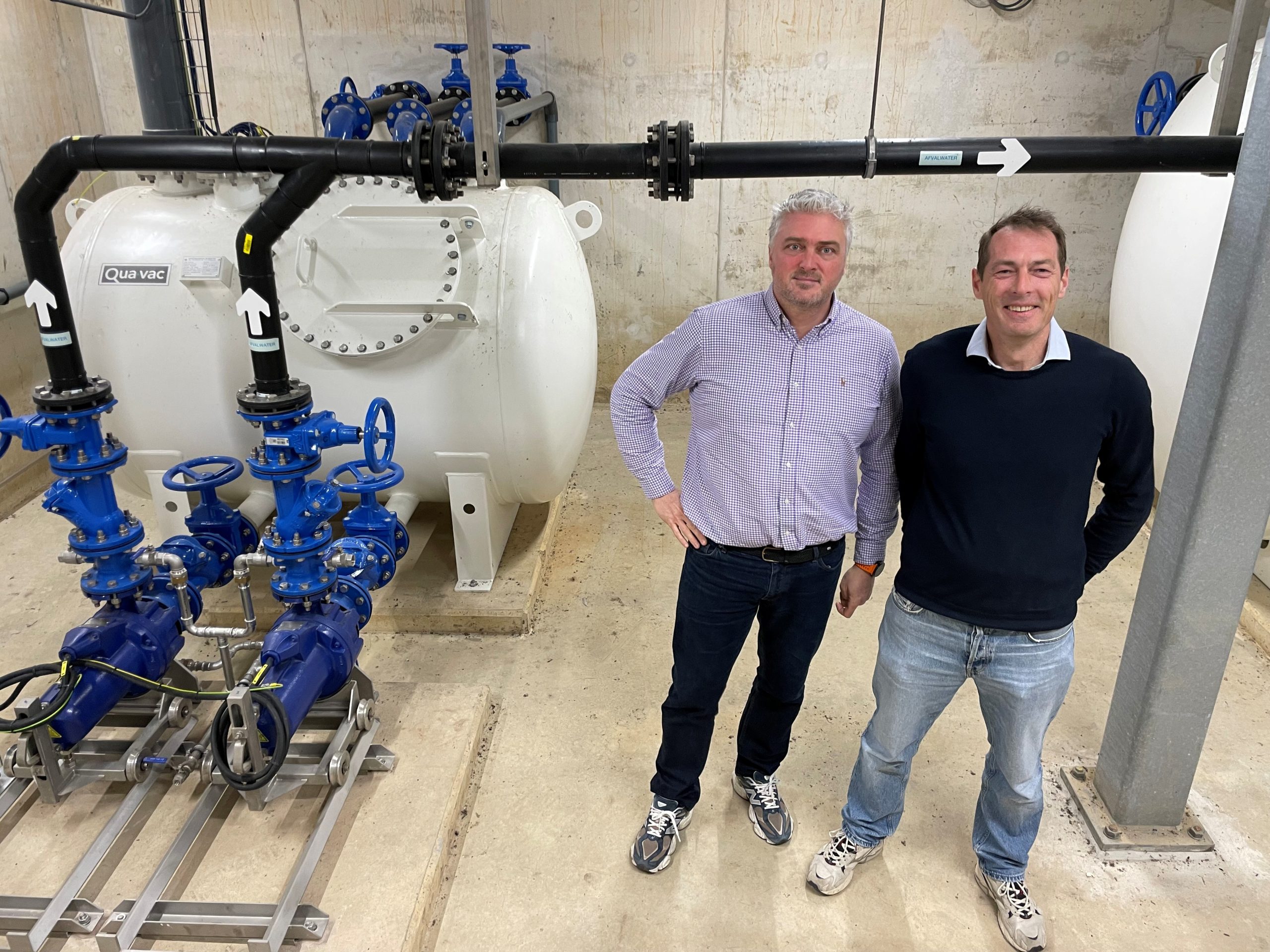
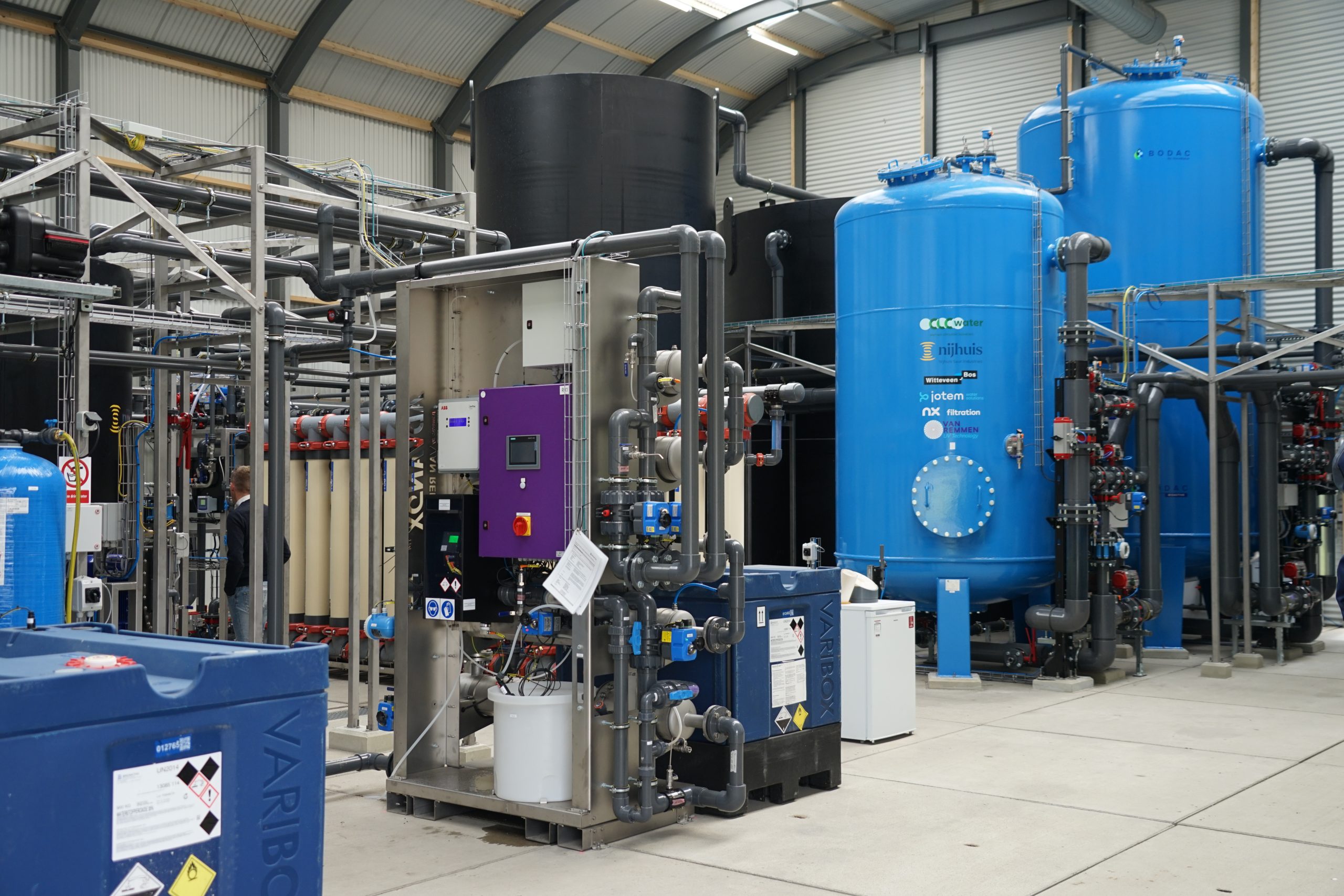
To make the pilot possible, Colubris reused two existing 3.5 m³ digestion reactors from a previous thermal hydrolysis project. Colubris adapted the installation for sludge acidification, efficiently creating a pilot system that supports the project’s circular ambitions.
First phase: Fatty acid production
The pilot is currently operating at the Nieuwveer wastewater treatment plant in Breda, the Netherlands. The focus here is on optimizing the production of fatty acids. In the second phase, the installation will be relocated to the wastewater treatment plant in Eindhoven, where the fatty acids produced will be used to manufacture PHA.
“You cannot base a multimillion-euro installation on small-scale laboratory tests,” says Joosse. “That is why this pilot is so important. We want to understand how the process performs over a longer period and under real operating conditions.”
By converting sludge into a higher-value resource, the project contributes to the circular use of wastewater streams. In the longer term, PHA production could also help reduce dependence on fossil-based plastics.
Short lines of communication
Collaboration between the parties involved plays an important role during both the development and operation of the pilot.
“With pilot installations, you will always encounter challenges,” Joosse explains. “What matters then is clear communication and the ability to resolve issues quickly. Working with Colubris has been a very positive experience thanks to the short lines of communication and its willingness to contribute practical solutions.”
Read the full case study
Read the full case study about the PHA2USE project and the collaboration between Brabantse Delta Water Authority and Colubris on the Colubris website.
Source: Colubris