

This article was submitted by Colubris
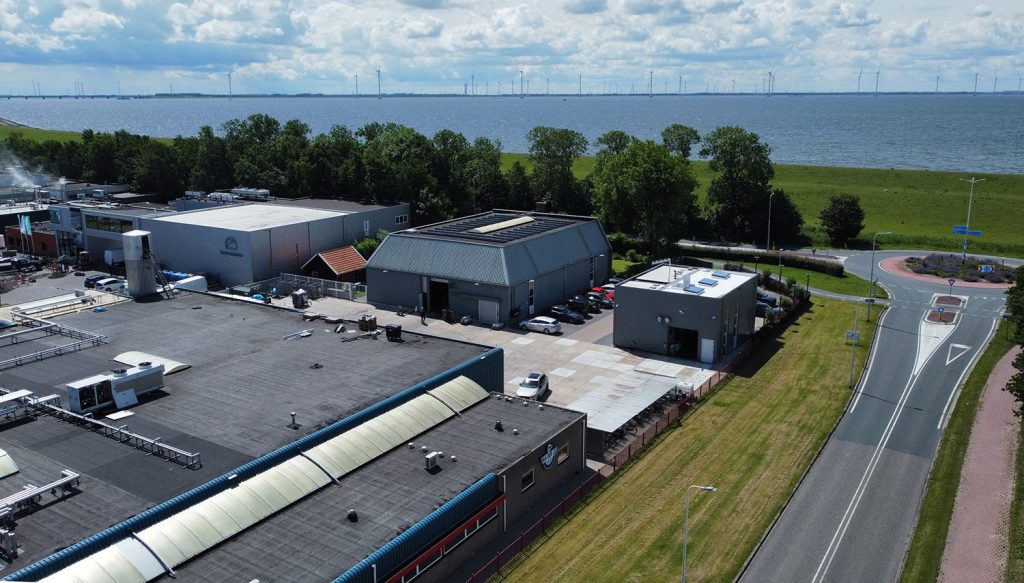
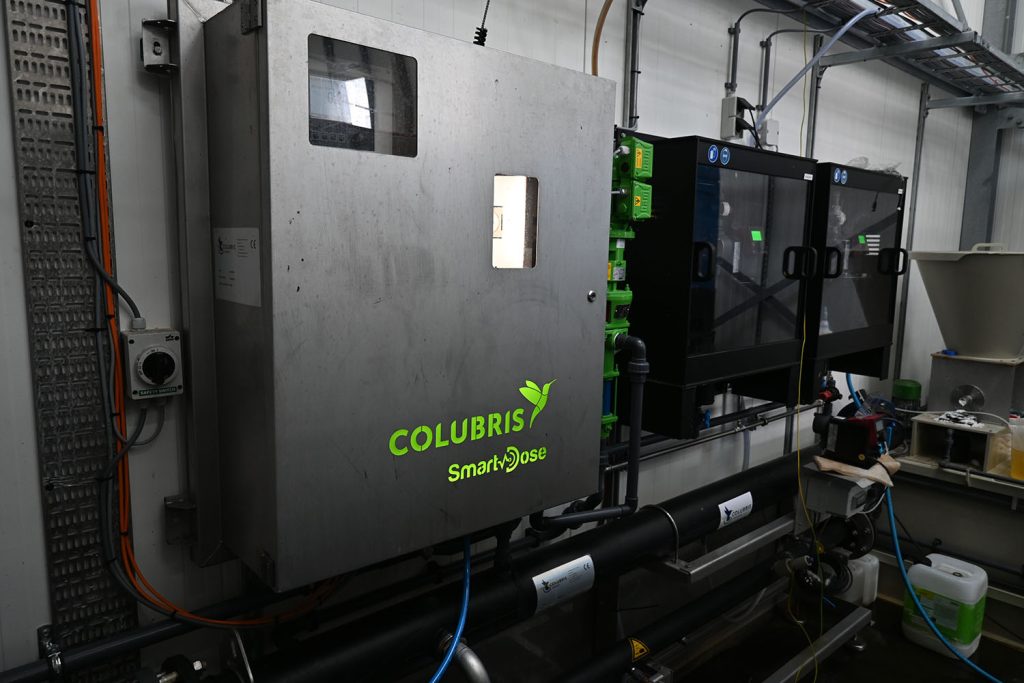
How can industrial companies prepare their wastewater treatment systems for a future in which water availability, stricter discharge requirements, and operating costs are becoming increasingly important? Van der Lee Seafish in Urk recently took an important step by installing a new DAF system from Colubris, equipped with SmartDose for intelligent chemical dosing.
The new system replaces a DAF installation that had been in operation for nearly thirty years. Van der Lee Seafish and Colubris have been working together since the days when Colubris was still known as Redox. When selecting the new installation, technology was therefore not the only consideration. Trust, practical expertise, and direct communication were equally important.
Greater capacity and process stability
Water is indispensable in the fish processing industry. A stable wastewater treatment process is essential both for reliable production and for meeting applicable discharge requirements.
The new installation has been designed with significantly more buffer capacity. While the previous system had a buffer capacity of approximately 30 m³, the new installation includes a 200 m³ buffer tank. This makes it easier to manage fluctuations in wastewater flows and creates a more stable treatment process.
For Van der Lee Seafish, this provides greater operational flexibility and a stronger foundation for future developments.
SmartDose reduces costs and saves time
An important part of the installation is SmartDose. Based on measurements taken from the wastewater, the system automatically determines the optimal chemical dosage. This reduces the need for manual testing and enables the treatment process to respond more quickly to variations in wastewater composition.
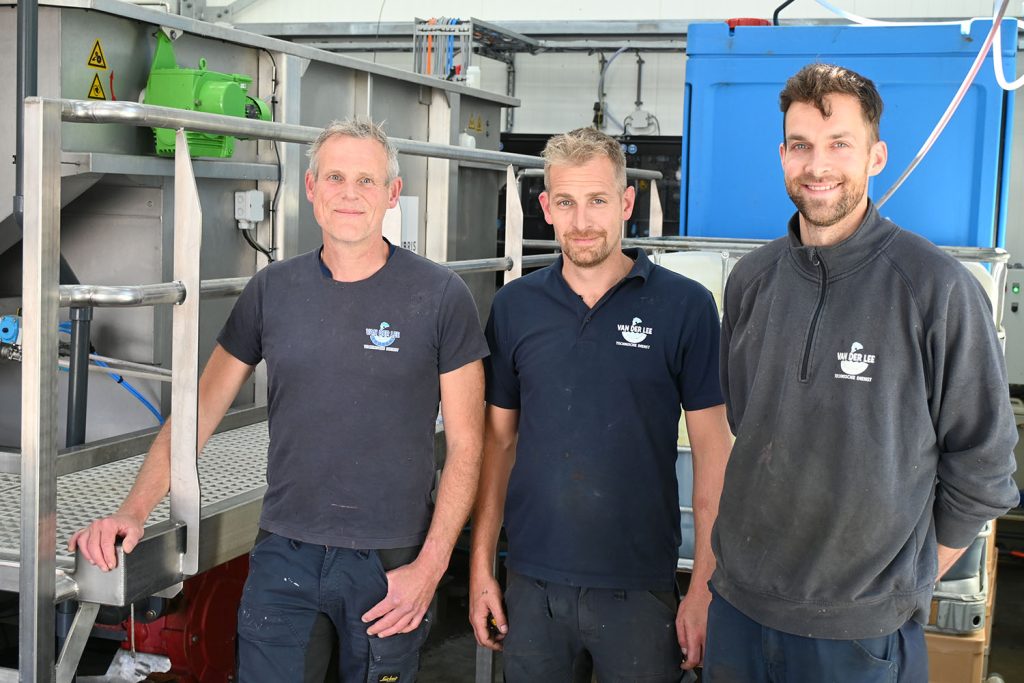
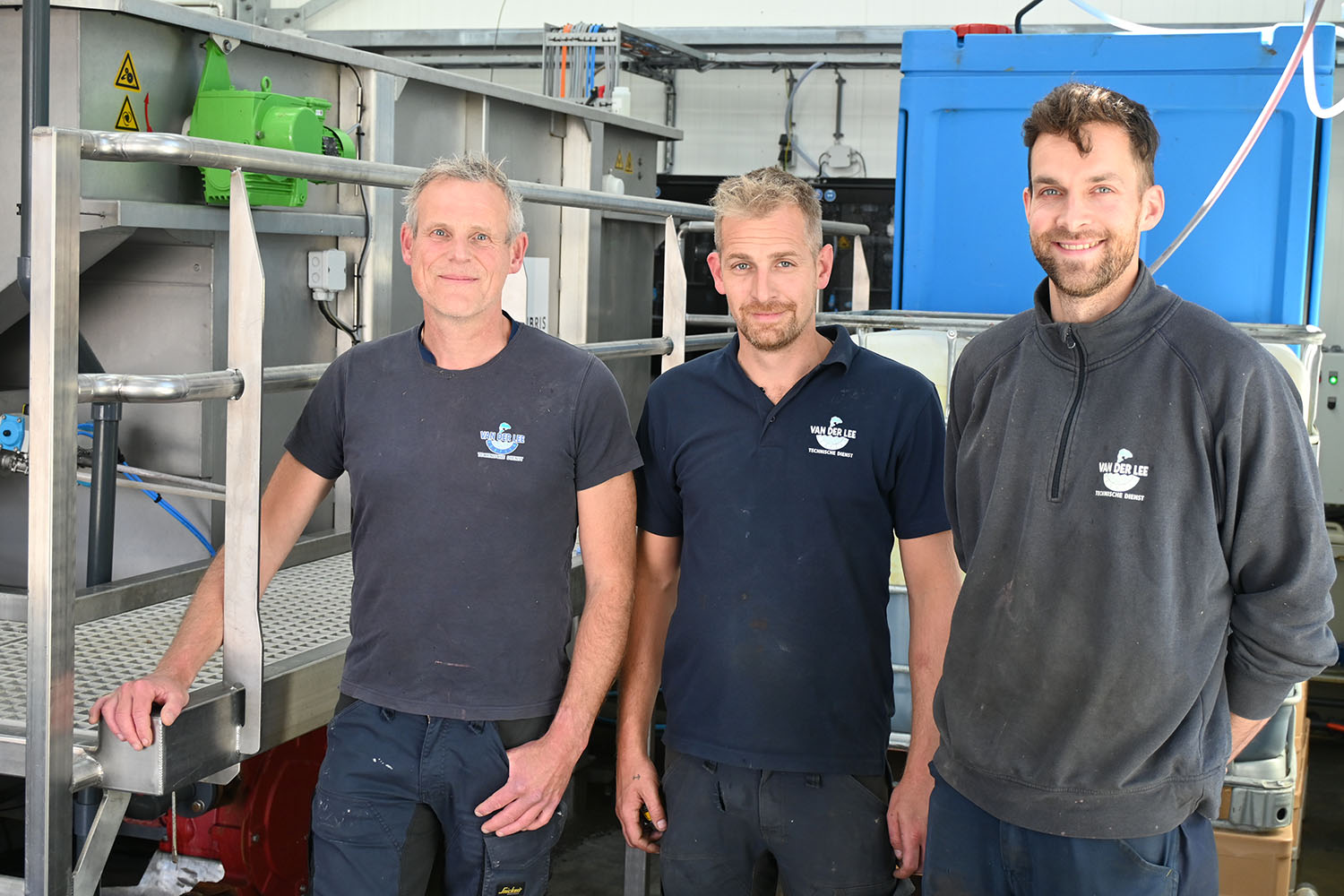
Jan-Willem Woord, who is responsible for wastewater treatment at Van der Lee Seafish, sees clear benefits: ‘With certain wastewater streams, I used to spend hours finding the right dosing ratios. SmartDose works that out much faster. The water quality has also improved, which means we will ultimately pay at least 30 percent less in pollution units.’
In addition to reducing costs, the automation saves time and provides greater control over the treatment process.
Next step: water reuse
The modernization of the wastewater treatment system is part of a broader development. Together with Colubris and other parties, Van der Lee Seafish is exploring the possibilities of reusing treated water in the future.
According to Woord, water availability is becoming an increasingly strategic issue for industrial companies: ‘Just as companies are now reaching the limits of the electricity grid, water availability could become a limiting factor in the future. You want to avoid having to stop production because there is not enough water available.’
With greater buffer capacity, a more stable treatment process, and improved water quality, Van der Lee Seafish has now created an important foundation for further steps toward water reuse.
This case demonstrates that investing in wastewater treatment is about more than meeting today’s requirements. By optimizing chemical dosing, improving process control, and preparing for water reuse, water treatment can become part of a broader strategy for future-ready production.
More information
Read the full interview with Jan-Willem Woord at colubriscleantech.com.