

This article was submitted by Pro Water
Continuous Monitoring of Water Hardness Prevents Process Disruptions
The need for reliable and continuous water quality monitoring in industrial processes continues to grow. Facilities are becoming more efficient, regulations are becoming stricter, and unplanned production downtime has increasingly significant consequences for costs and operational continuity. Particularly in processes where softened water is essential, continuous monitoring of residual hardness plays a crucial role.
An increase in residual hardness can lead to scale formation, reduced equipment efficiency, and unwanted process interruptions. As a result, more and more organizations are choosing online monitoring systems that automatically and continuously safeguard water quality.
From Manual Testing to Automated Process Monitoring
Traditionally, water hardness was often monitored through periodic spot checks. While this method is still widely used, continuous online monitoring offers significant advantages. Deviations are detected immediately, enabling operators to take corrective action quickly and significantly reducing the risk of damage or production losses.
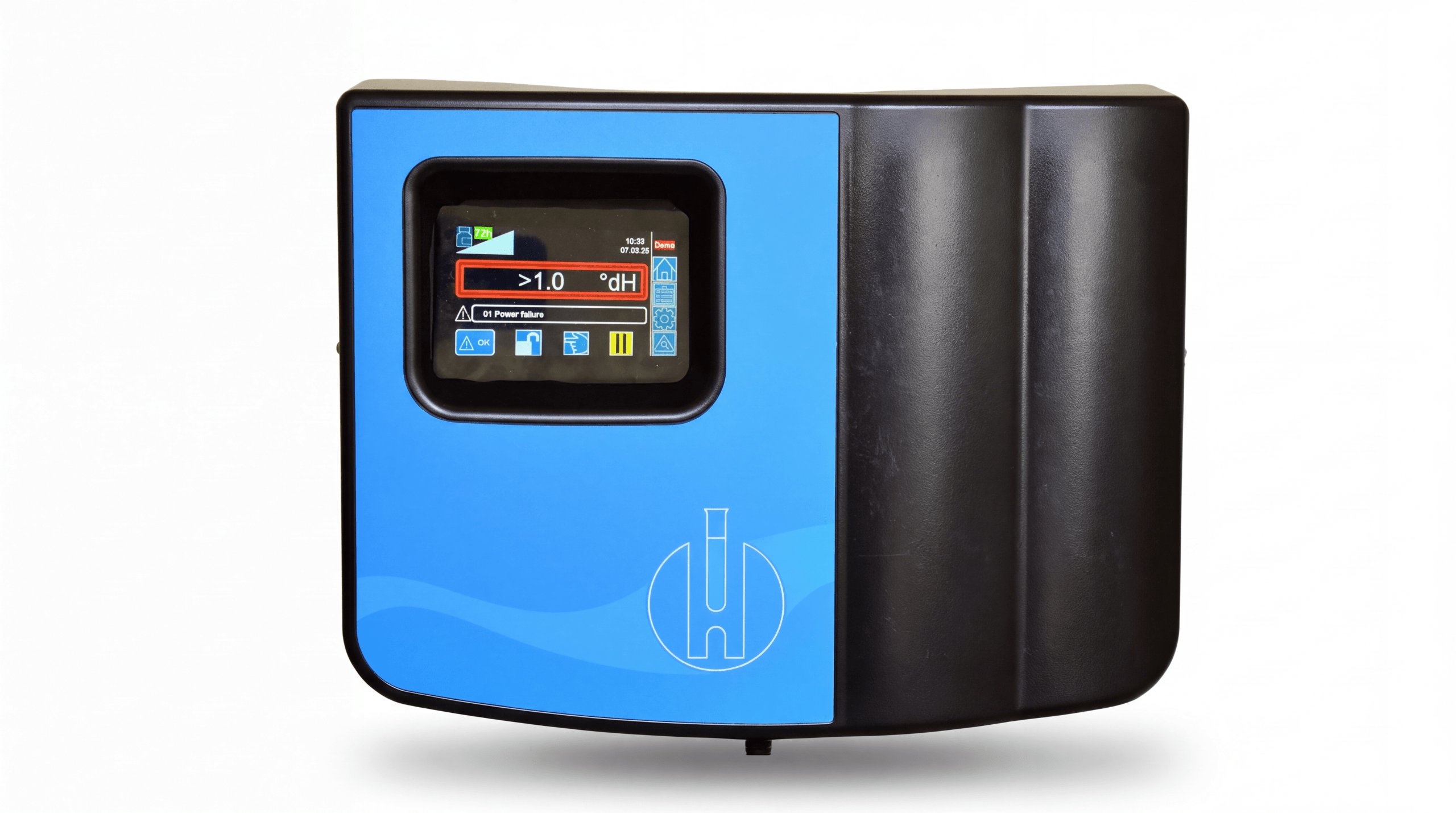
The Testomat® Limit has been developed specifically for this type of continuous process monitoring. The system automatically measures residual water hardness 24 hours a day and can respond immediately when predefined limit values are exceeded. This provides greater confidence in water quality and minimizes the risk of unwanted process deviations.
Innovations Focused on Reliability and Reduced Maintenance
An important trend in online water analysis is the focus on longer maintenance intervals and improved operational reliability. The latest generation of hardness analyzers incorporates innovative components that enhance measurement accuracy and system performance.
For example, the Testomat® Limit features a newly developed precision pump utilizing electronically controlled stepper motor technology. This enables highly accurate dosing and helps maintain stable measurement quality over extended periods. According to the manufacturer, maintenance intervals can exceed three years under normal operating conditions, contributing to lower lifecycle costs and increased system availability.
In addition, a new measuring chamber with mirror technology has been implemented. This design creates highly accurate analysis conditions while simplifying maintenance procedures. Thanks to its service-friendly construction, inspection and cleaning tasks can be completed more quickly and efficiently.
Digitalization Supports Data-Driven Water Treatment
In addition to accurate measurements, data is becoming increasingly important. Modern analyzers not only provide measurement results but also offer capabilities for data logging, reporting, and integration into existing process automation systems.
The Testomat® Limit supports data logging via an SD card and includes communication options that allow measurement values, faults, and alarm notifications to be transmitted to a control room or higher-level control system. This provides greater insight into the performance of water treatment installations and helps identify trends at an early stage.
Suitable for a Wide Range of Industries
Continuous residual hardness monitoring is used across a broad range of industrial environments. Examples include boiler water systems, reverse osmosis installations, laundries, electroplating processes, and commercial kitchens. In all of these applications, reliable monitoring contributes to process reliability, lower maintenance costs, and consistent water quality.
The development of advanced online analyzers demonstrates how digitalization, automation, and intelligent measurement technology are converging within modern water treatment. Organizations that invest in continuous monitoring not only gain access to real-time measurement data but also build a foundation for more stable, efficient, and future-proof water management.